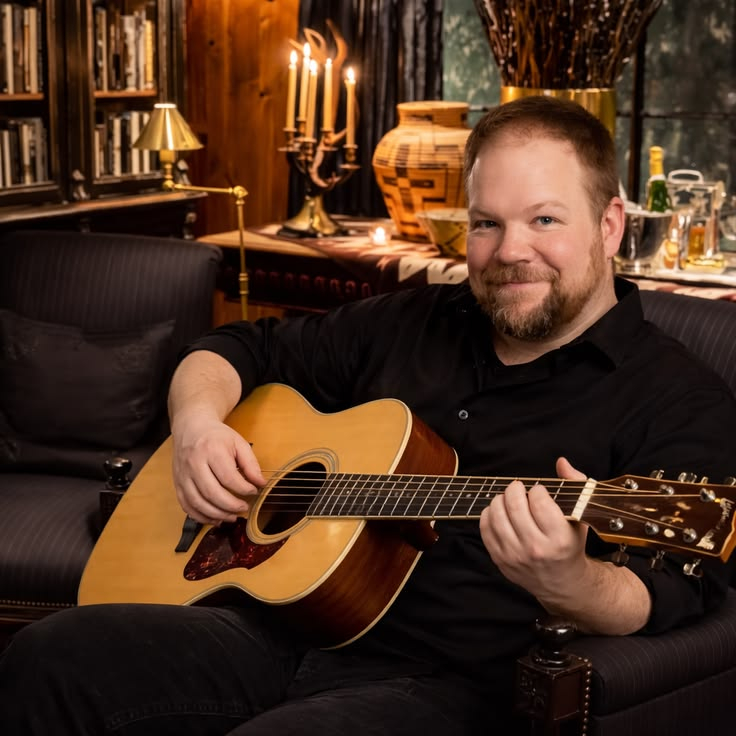
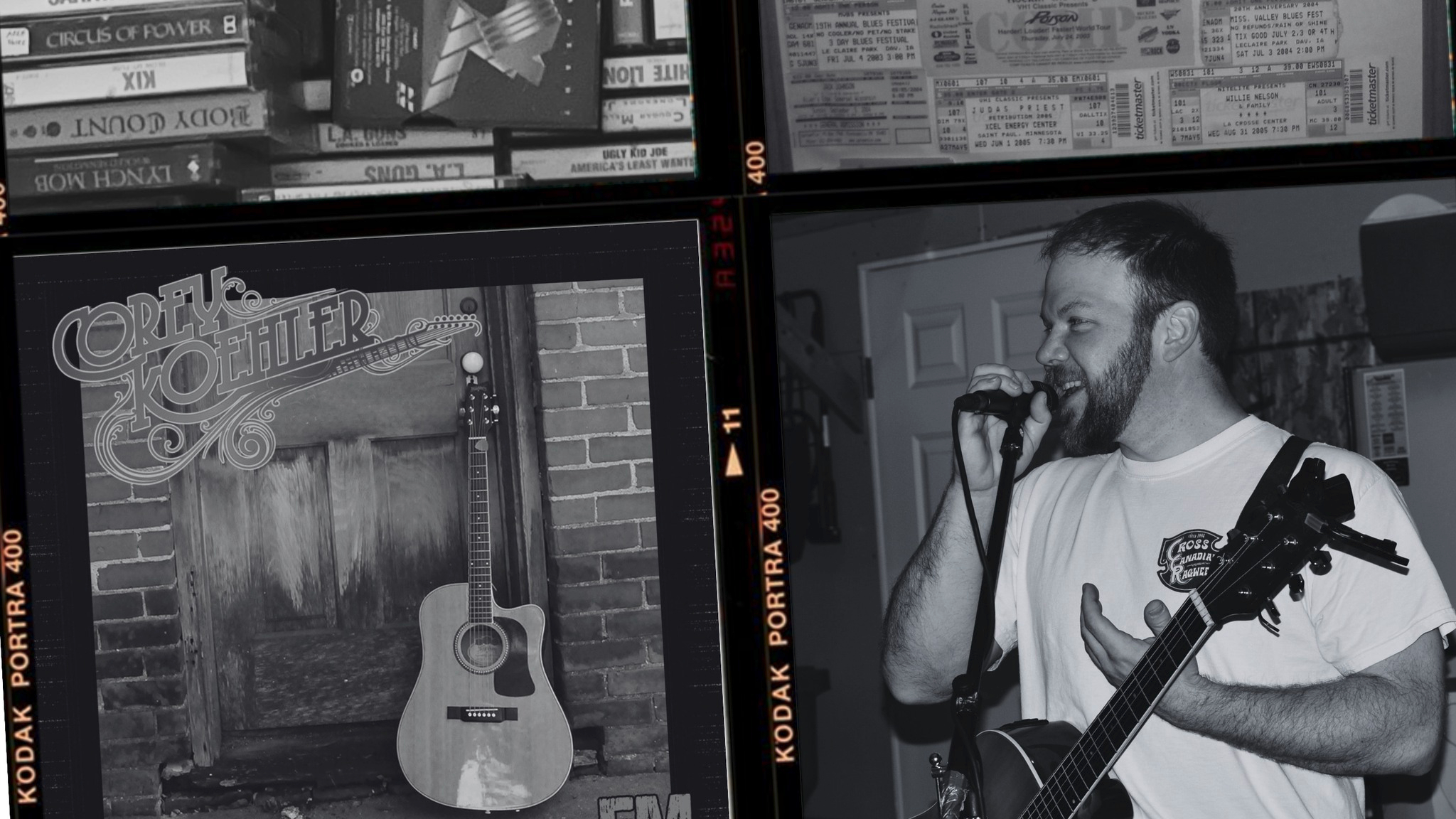
Corey Koehler (pronounced KAY-ler) is an independent artist who found his path in music later than most, picking up the guitar again at 30 and never looking back. Blending rock, country, blues, and folk, his songs tell honest, relatable stories about life, loss, and chasing something more. His debut album, Never Too Late, says it all.
In this powerful and eye-opening episode, we sit down with Brandy Vaughan — former Merck pharmaceutical rep turned fearless health freedom advocate. Brandy opens up about her journey from working inside Big Pharma to exposing what she saw as deep-rooted issues within the medical and vaccine industries. With clarity and conviction, she shares why she left the industry, what motivated her to speak out, and the personal risks she faced along the way. From her founding of Learn The Risk to the chilling experiences she claimed to endure as a result of her activism, Brandy’s voice is as urgent as it is compelling.
In one of her last interviews— Brandy in her own words; unfiltered, passionate, and deeply committed to uncovering the truth. Whether you’re familiar with her work or hearing her story for the first time, this is a conversation that will stay with you long after it ends.
When detectives respond to a crime scene in Orlando, Florida, during the “Summer of Hurricanes” in 2004, they find Charlie Brandt hanging from the rafters in the garage of his niece; Michelle Jones’s home. Inside the house, they find a scene of horror that reminds them of other murders… In 1978, 13-year-old Carol Lynn Sullivan’s head was found inside a rusty paint can in Osteen, FL; her body was never found. Homeless transient Sherry Perisho was murdered in 1989, after moving to Florida from Illinois. Finally, in 1995, Miami prostitute Darlene Toler was deposited on the side of the road, wrapped up “like a package.” Perisho and Toler had their hearts removed; all three had been decapitated; and all three are believed by investigators to have been the prior victims of Charlie Brandt. The true story of the crimes committed by Brandt with insight from an FBI profiler and forensic psychologist, victims’ friends and relatives, and the unique writings from victims before their deaths.
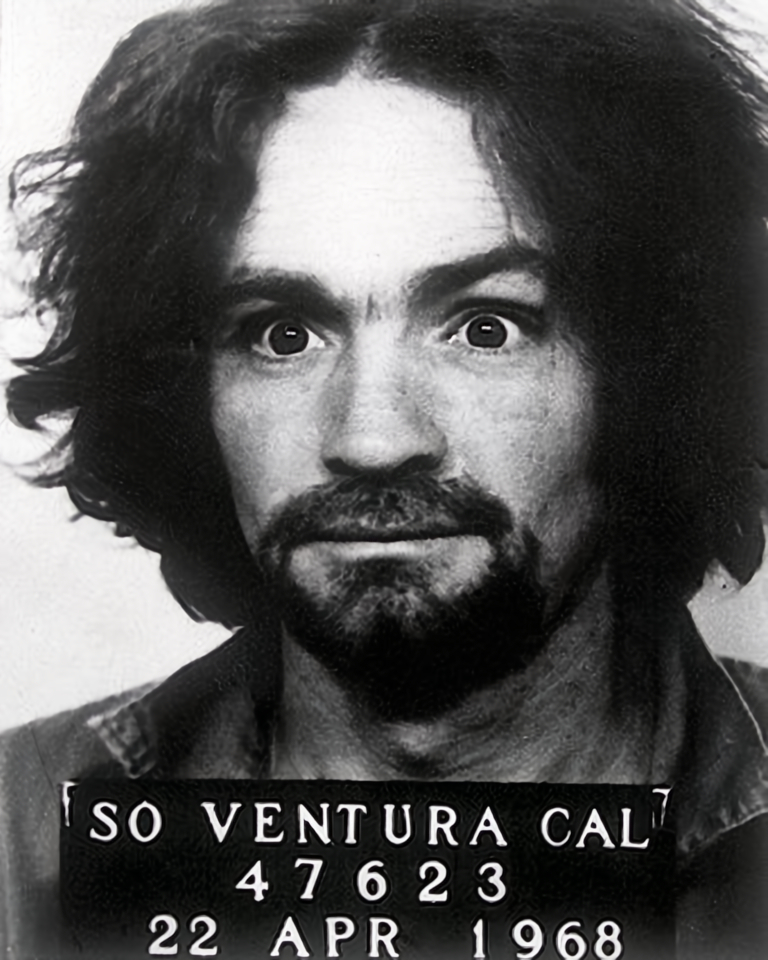
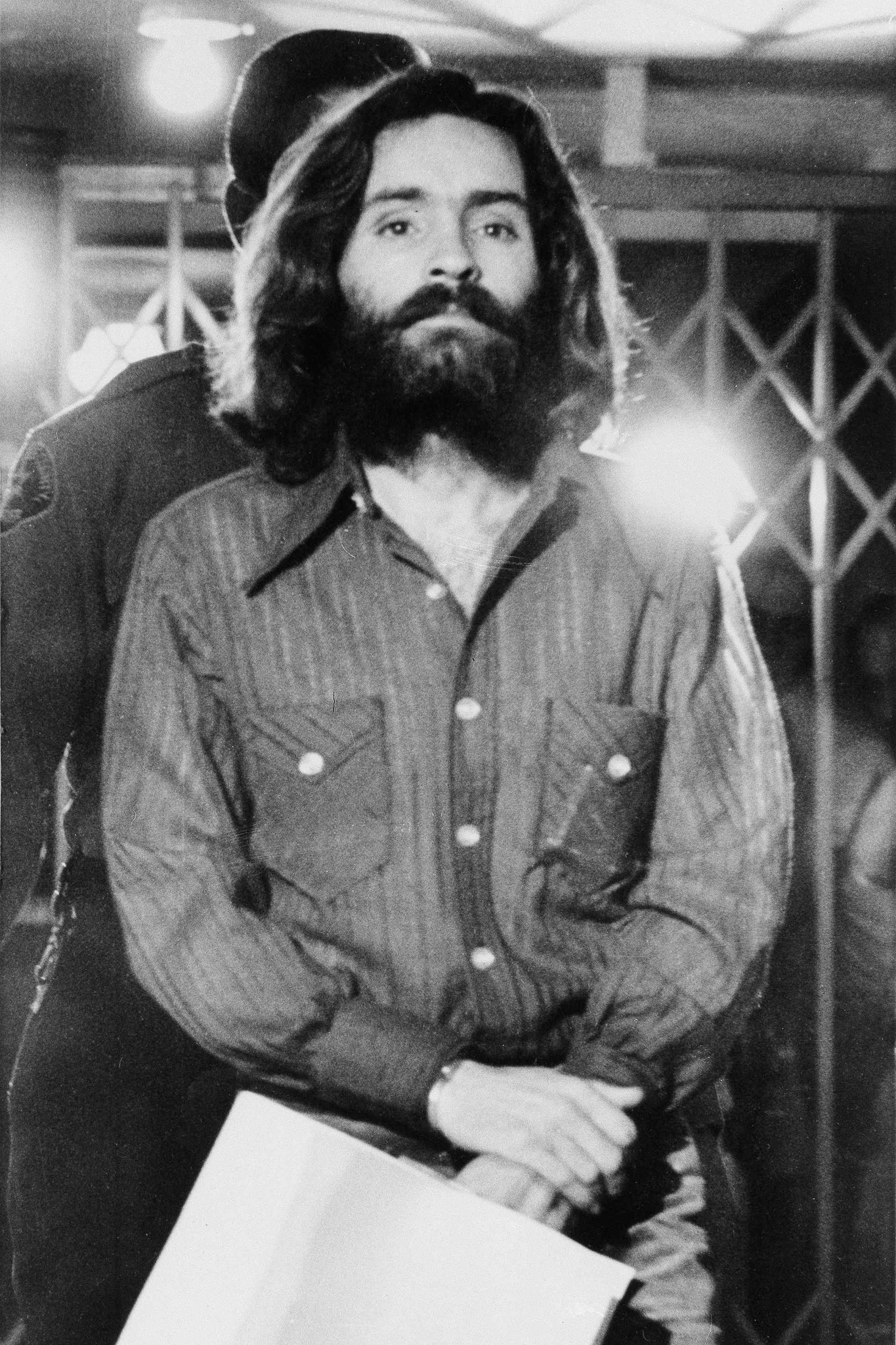
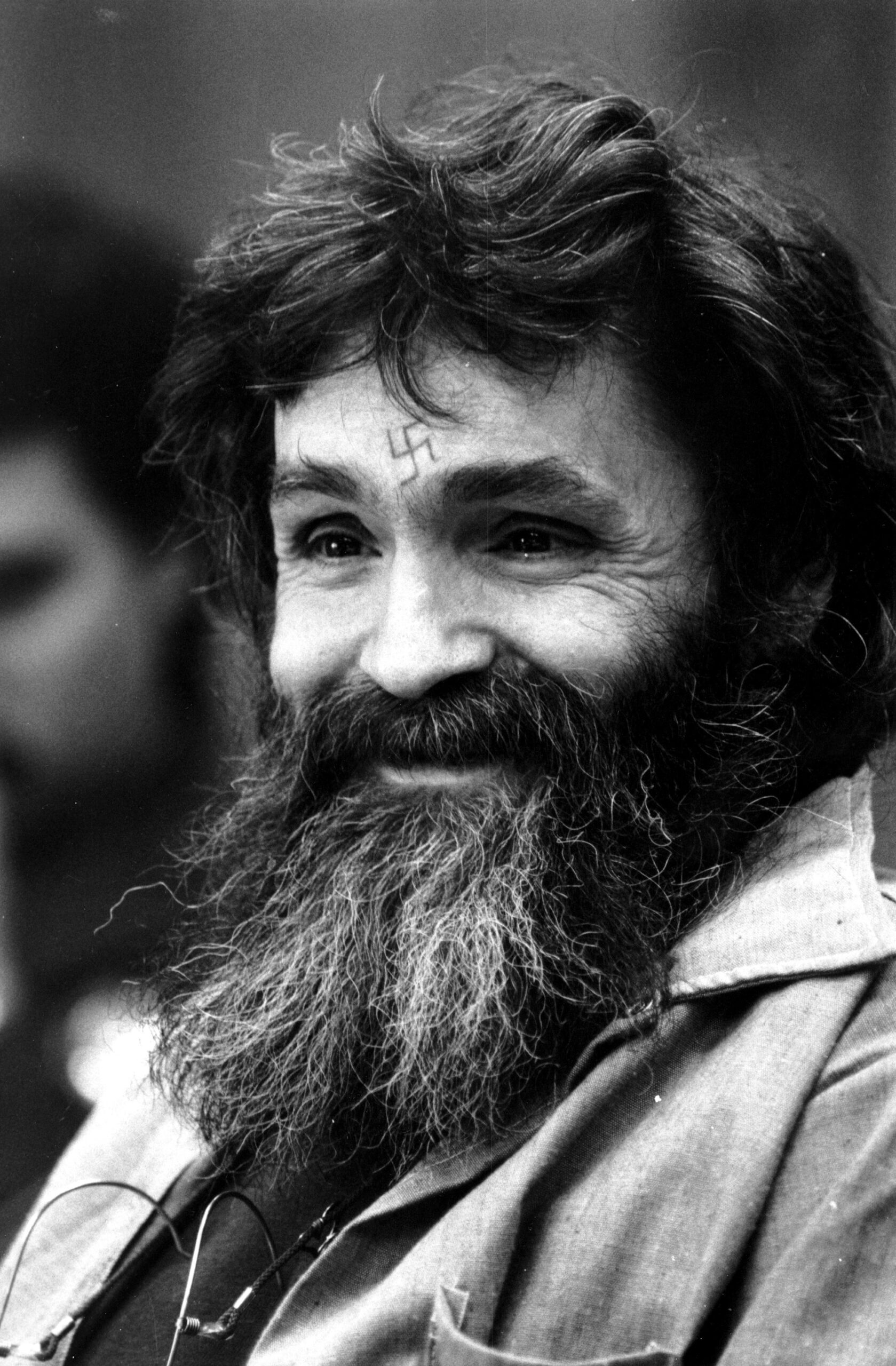
What drives a man to orchestrate one of the most chilling crime sprees in American history—without ever pulling the trigger himself? In this gripping episode, we sit down with bestselling crime author Diana Montané, who has spent years researching the twisted psyche and cultural impact of Charles Manson. From the dark origins of the Manson Family to the manipulation, murder, and media frenzy that followed, we dive deep into the psychology, charisma, and chaos of a cult leader who turned the Summer of Love into a nightmare. And a critical look at how Manson exploited fear, fame, and fractured minds to leave an indelible mark on American history.
CHARLIE MILLES MANSON
FEB. 4, 1986; Convicted murderer Charles Manson looks towards the parole board in San Quentin, CA.
CEASE TO EXIST | CHARLES MANSON
“Cease To Exist”, later renamed by the beach boy’s “Never Learn Not To Love” is an single from their album, ’20/20′ Manson worked on with Dennis Wilson and Terry Melcher.
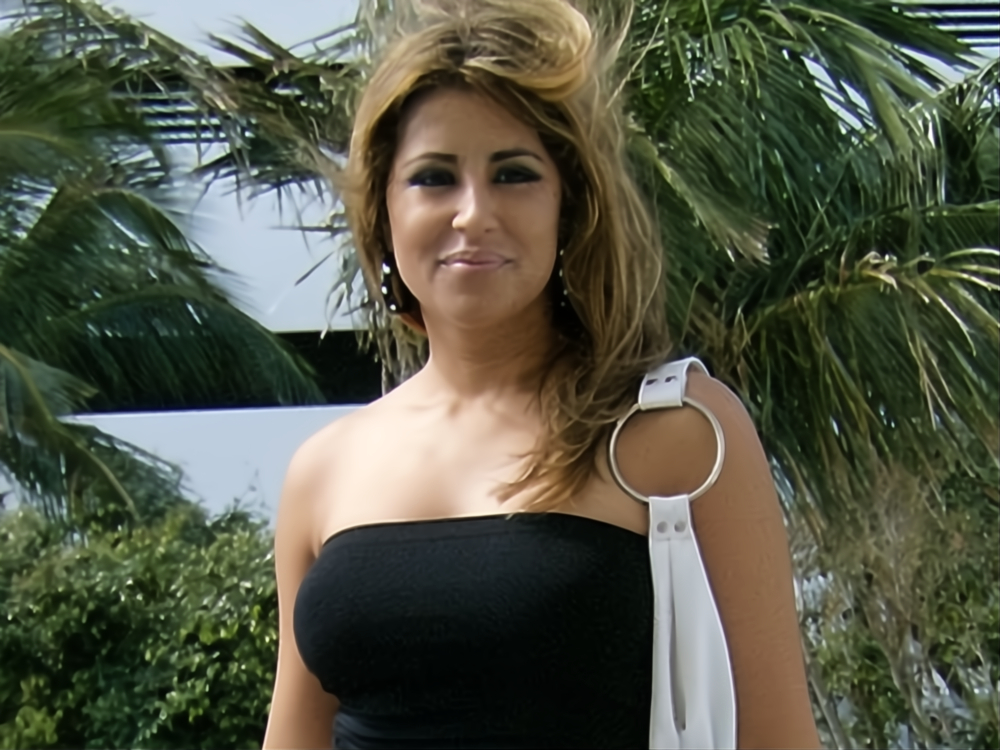
When Las Vegas showgirl Debbie Flores-Narváez disappeared in December 2010, the glittering lights of the Strip couldn’t hide the darkness beneath. A talented performer with a promising future, her sudden vanishing sent shockwaves through the city—and launched a heartbreaking investigation full of red flags, secrets, and deadly obsession. In this episode, we’re joined by acclaimed crime author Diana Montanéand Celeste Flores-Narváez [Debbie’s sister], who takes us beyond the headlines and into the heart of a case that captivated and horrified the nation. Together, we explore Debbie’s life, the toxic relationship that haunted her final days, and the justice that followed. Why were the warning signs missed? Could this tragedy have been prevented?